MUSEUM
*
MUSEUM *
ARCHIVE *
SEAL *
LIBRARY *
ARCHIVE * SEAL * LIBRARY *
From Guild to Genius: Selected Works
Exploring the shift from collective guild craftsmanship to individual creative genius.

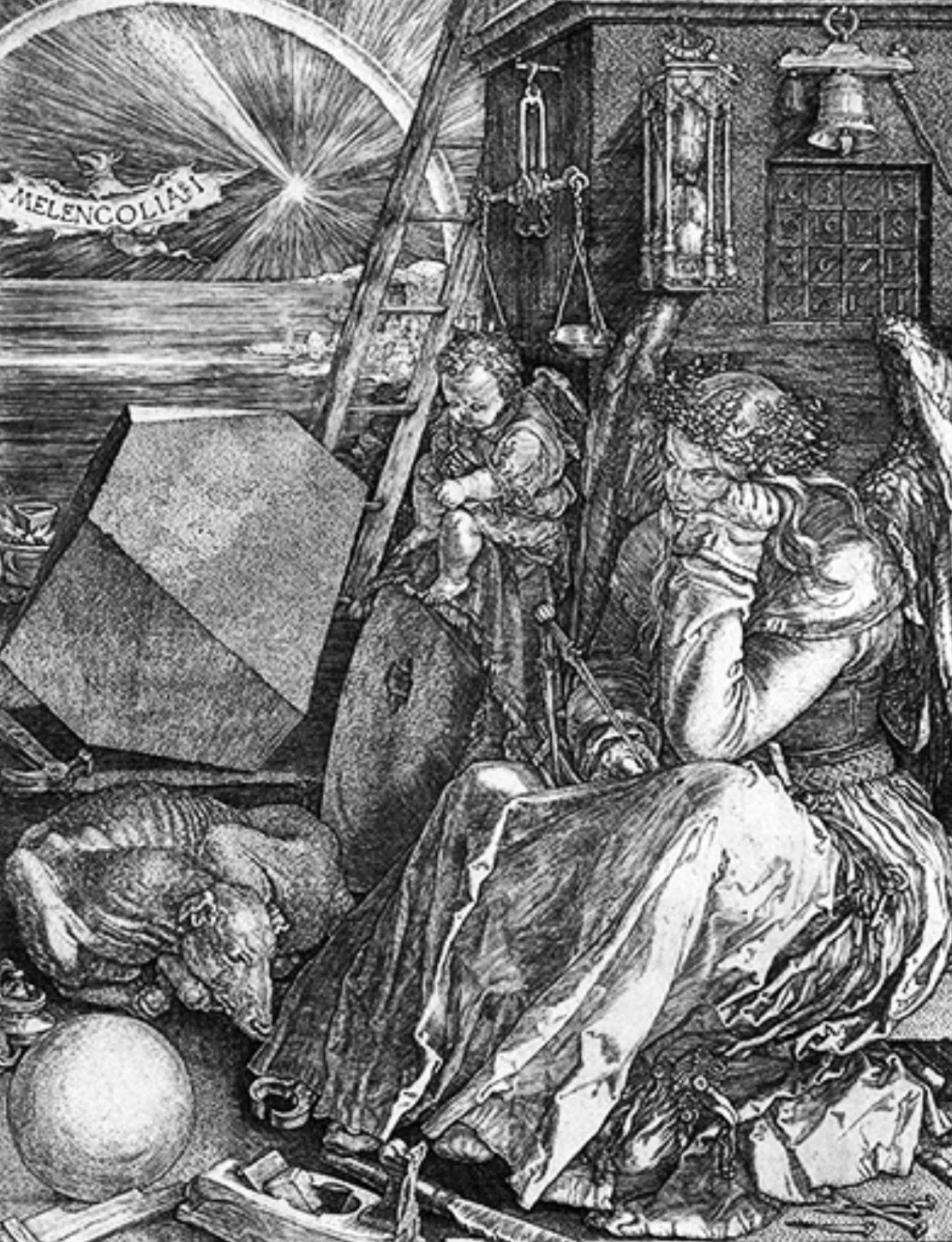
Albrecht Dürer (1471–1528)
Melencolia I (1514)
Engraving – Renaissance genius emerges from guild traditions.

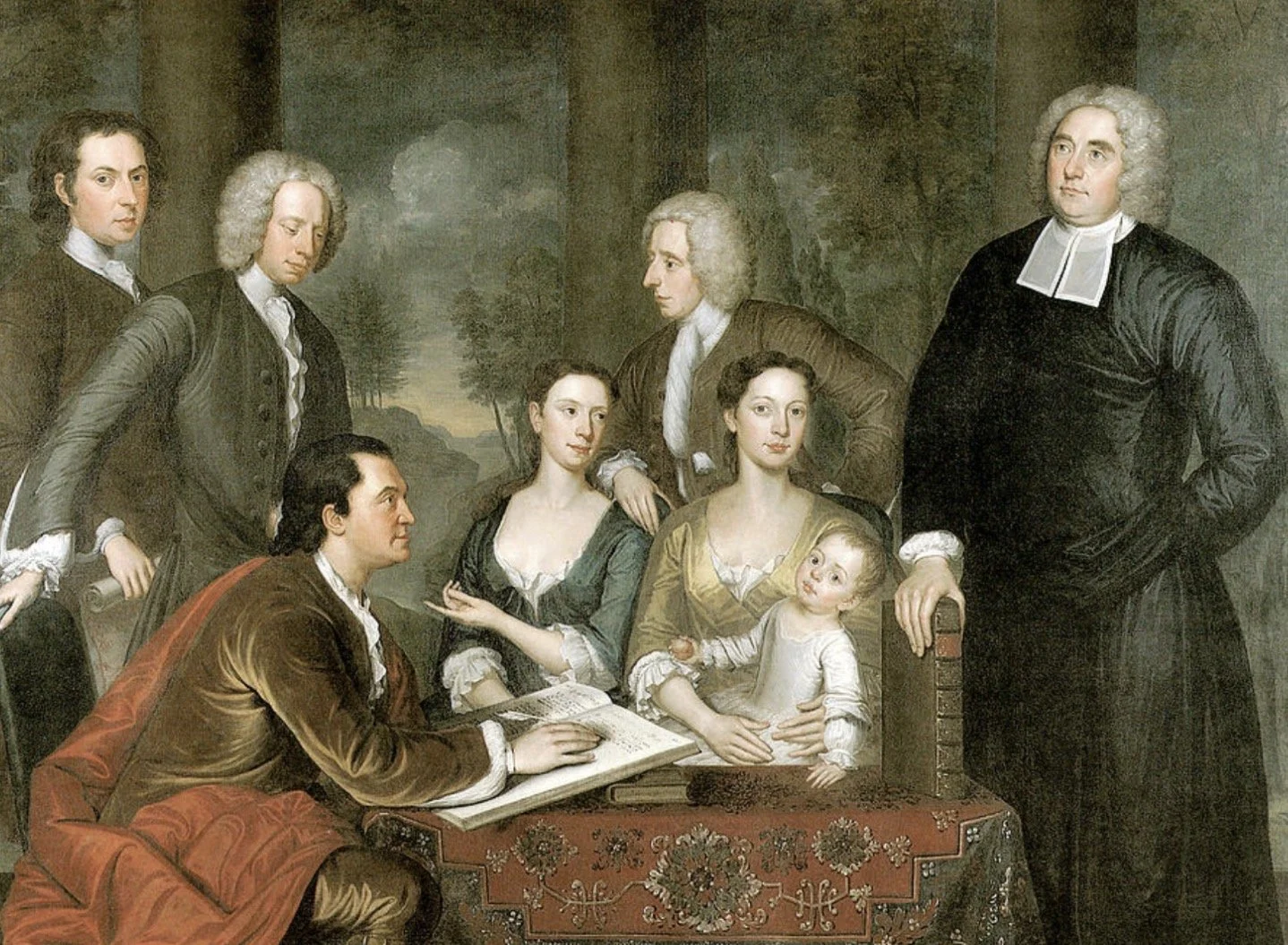
John Smibert (1688–1751)
The Bermuda Group (1729)
Oil on canvas – Colonial-era portraiture bridging old-world guild influence.

Marcel Duchamp (1887–1968)
Fountain (1917)
Readymade – Challenging genius through conceptual rupture.

Andy Warhol (1928–1987)
Campbell's Soup Cans (1962)
Silkscreen – Genius in mass production and celebrity culture.

Elise Ansel (b. 1961)
A Lady Writing III (2025)
Oil on linen – Reinterpreting historical genius through abstraction.

Reza Aramesh (b. 1970)
[Representative work]
Sculpture/Painting – Contemporary critique of historical paradigms.
IP SEAL &
ARCHIVE
ENCODED MATERIAL SYSTEMS
*
ENCODED MATERIAL SYSTEMS *
EMS Seal — Ledger and Authority Surface
Seal is the permanent record of the EMS Federation. It is the append‑only ledger where law, evaluation, lineage, and correction become durable. Micro executes; Seal remembers. Nothing in the federation is considered real, admissible, or historically anchored until it is written to Seal.
PURPOSE
Seal provides the canonical audit surface for the entire system. It stores RuleSets, receipts, rejections, lineage pointers, and operator corrections. Seal does not evaluate or execute. It records. Its authority comes from immutability, content‑addressing, and the fact that Micro is the only writer.
SCOPE
Seal holds four classes of information:
1. RuleSets: the signed, hashed documents that define constitutional law.
2. Receipts: the evaluation proofs issued by Micro during admit().
3. Reject Reports: the HARD‑failure outcomes that cannot exist under the RuleSet.
4. Lineage Records: the structural pointers that bind artifacts to their origin and history.
RULESETS
A RuleSet is stored in Seal as a content‑addressed object. Its identity is its hash. Seal does not interpret RuleSets; it preserves them. Each RuleSet entry includes its ruleset_id, version, rs_hash, and predicate metadata. Seal guarantees that law is immutable once published.
RECEIPTS
Receipts are the cryptographic evidence that an artifact was evaluated under a specific RuleSet at a specific moment. Seal stores every receipt issued by Micro, including ADMISSIBLE and BASECELL outcomes. A receipt binds the artifact to the RuleSet hash, evaluator ID, evaluation status, checked predicates, reasons, and timestamp. Seal makes receipts durable and discoverable.
REJECT REPORTS
When Micro issues a REJECT, Seal records the rejection as a permanent fact. A reject report includes the artifact identifier, the RuleSet hash, the failing HARD predicate, and the reason. Rejects are not reversible. They are part of the constitutional history of the system.
LINEAGE
Seal stores lineage pointers for artifacts. Lineage binds an artifact to its parents, its merkle root, and its historical chain. Seal does not validate lineage; it preserves it. Lineage is the structural memory of the federation and the basis for migration, deprecation, and audit.
APPEND‑ONLY MODEL
Seal is strictly append‑only. Nothing is overwritten, deleted, or mutated. New RuleSets are added. New receipts are added. New reject reports are added. Lineage grows. Corrections and migrations appear as new entries, not edits. Seal is the historical truth of the system.
RELATIONSHIP TO MICRO
Micro evaluates. Seal records. Micro writes to Seal; Seal never writes to Micro. Micro cannot execute without Seal, because receipts and RuleSets must be retrieved from it. Seal cannot evaluate without Micro, because only Micro issues receipts. Together they form the execution‑audit pair.
RELATIONSHIP TO BASECELL
BASECELL is reversible; Seal is permanent. BASECELL holds contested artifacts; Seal holds the record of why they were contested. When an artifact is re‑hammered or corrected, the event is written to Seal as a new lineage entry. BASECELL is the workshop; Seal is the archive.
INVARIANT
Seal is the permanent ledger of the federation. Nothing is real until it is written to Seal.
--
MUSEUM / SEAL
Archive. Authority. Continuity.
The Museum / Seal is the Encoded Material Systems Federation record authority.
It preserves canonical artifacts, ratified instruments, and verified lineage.
Nothing enters without origin.
Nothing persists without audit.
Nothing is erased — only sealed, superseded, or reclassified.
The Museum houses artifacts.
The Seal affirms authority state.
Together they ensure:
Structural continuity across domains
Immutable record of constitutional primitives
Clear distinction between narrative and ratified form
Visibility of amendment without loss of history
The Museum is memory.
The Seal is binding.
All instruments bearing the Seal are traceable to origin coordinate and governance substrate.
All superseded instruments remain visible as historical state.
This is not a gallery.
It is a continuity engine.


EMSMICRO/BASECELL
*
EMSMICRO/BASECELL *
🔗 ENCODED MATER SYSTEMS
*
🔗 ENCODED MATER SYSTEMS *